


We’ve all been there, you're barely an hour past lunch, and suddenly your mind drifts to cookies, chips, or that sweet treat calling from the kitchen. Sugar cravings can feel overpowering, especially in the afternoon or late at night. While it’s normal to experience these urges, constant snacking, particularly on sugary foods, can lead to a cycle that impacts not only your overall health but also your oral hygiene.
At RADIUS, we believe oral care goes far beyond just brushing your teeth, it’s about helping you create routines that benefit your whole body. And here’s something not many people realize: your choice of toothpaste may actually help curb those cravings. Intrigued? Let’s dive into how our herbal toothpastes might support healthier habits and keep those snack attacks in check.
Understanding Sugar Cravings: A Battle of Biology
Sugar cravings aren't just a lack of willpower. They often stem from biological triggers, emotional patterns, or learned behaviors. When we eat sugar, the brain releases dopamine, a "feel good" neurotransmitter, which reinforces the desire for more. Over time, your body starts associating certain times of day, stress levels, or emotional states with the need for a sugary pick-me-up.
Add to that a dry mouth or lingering taste of previous meals, and suddenly a cookie seems like the perfect solution. But here’s the catch: frequent snacking, especially on sugar, can lead to enamel erosion, gum issues, and bad breath. That’s where your oral care routine can step in as a surprising line of defense.
Herbal Toothpaste: Your New Snack-Sabotaging Ally
Herbal toothpaste isn’t just a trend, it’s rooted in centuries of plant-based wisdom. But beyond its natural credentials, a well-formulated herbal toothpaste can actually change the way your mouth feels and tastes, which can discourage unnecessary snacking.
At RADIUS, we craft our USDA Organic toothpaste using botanical ingredients like organic chamomile flower, holy basil, neem, and coconut oil—not just because they’re better for your body, but because they work in harmony with your senses and biology. Here's how:
1. A Fresh, Clean Mouth Changes the Snacking Equation
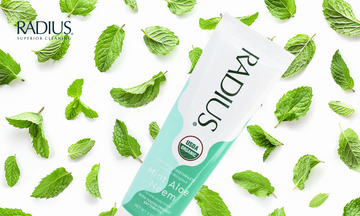
Most cravings start with a lingering taste or a sense of “oral boredom.” It might sound strange, but when your mouth feels clean and fresh, you’re less inclined to reach for food. Our RADIUS USDA Organic Mint Aloe Neem Toothpaste delivers a crisp, refreshing mouthfeel thanks to essential oils and herbal extracts that cleanse without synthetic flavors or artificial sweeteners.
When your mouth already tastes minty-fresh, the idea of chocolate or candy feels less appealing. It's a psychological cue that mealtime is over—and your body listens.
2. Sweetness Without Sugar
Unlike traditional toothpastes that use saccharin or synthetic flavors to taste sweet, RADIUS toothpastes are flavored with organic stevia, a plant-derived sweetener that doesn’t spike your blood sugar and actually satisfies your sweet tooth without the crash. It provides just enough natural sweetness to feel comforting, without the addictive pull of processed sugar.
And for little ones, our RADIUS Organic Dragon Fruit Kids Toothpaste adds a naturally sweet and fruity twist—free from fluoride, dyes, and preservatives—which makes post-dinner brushing a treat of its own. When kids associate brushing with a pleasant experience, they’re less likely to beg for a bedtime snack.
3. Calming Herbs That Reduce Stress-Induced Cravings
Stress is a huge driver of sugar cravings. When your cortisol levels spike, your brain looks for quick relief, usually in the form of carbs or sweets. Some of the key herbs used in RADIUS toothpastes, like chamomile and holy basil (also known as tulsi), have calming and adaptogenic properties known to support relaxation and balance.
Brushing with a toothpaste that contains these natural herbs offers more than oral cleansing—it can create a moment of mindfulness and calm. This small daily ritual helps break the “stress-snack-repeat” loop and encourages more conscious eating behavior.
Timing Is Everything: Strategic Brushing for Craving Control
Here’s a trick: brushing your teeth between meals, especially when you know a craving is likely to strike, can be a powerful disruptor. That clean, minty sensation acts as a reset for your palate. It can help stop that autopilot reach for the snack drawer.
Try brushing right after lunch or your mid-afternoon coffee. Not only are you supporting your enamel and breath, but you’re also setting a physical and mental signal that eating time is over.
And remember, our wide-head RADIUS toothbrushes—designed for both adults and kids, are made with plant-based bristles and ergonomic handles, so brushing always feels like a moment of self-care, not a chore.
Breaking the Cycle Naturally (And Gently)
Let’s be real—we all love an occasional treat. This blog isn’t about giving up your favorite snacks entirely. Instead, it's about empowering your routine with tools that gently steer you toward better habits. Herbal toothpaste offers an elegant solution: it works with your body’s natural rhythms, helps retrain your taste preferences, and keeps your smile healthy along the way.
When brushing becomes part of your strategy to curb cravings, it transforms from a two-minute hygiene task to a holistic wellness ritual.
RADIUS: Your Daily Reset
At RADIUS, we believe small, natural habits have the power to shift your day. Whether it's brushing with organic botanicals or using a toothbrush made with plant-based materials, every detail in your routine matters.
Craving control doesn’t have to come from a supplement, a strict diet, or willpower alone. Sometimes, it starts with what’s on your sink.
Try this simple habit this week: Brush with your favorite RADIUS herbal toothpaste when a craving hits. Breathe. Pause. Let the fresh sensation work its magic. You might find you don’t need that extra cookie after all.
Your mouth—and your mind—deserve that kind of gentle, natural care.
Does brushing your teeth stop snacking cravings?
Short answer: often, yes — at least for the next stretch of time. Brushing gives your mouth a clean, minty taste that makes most snack foods less appealing, and it acts as a clear signal that eating is finished for now. It does not remove hunger, and it is not a substitute for a real meal, but for the kind of craving that shows up an hour after lunch or while standing in the kitchen at 9pm, a two-minute brush is one of the simplest interruptions available.
The effect works on two levels. The taste change is immediate: mint, neem, and other botanicals leave a flavor that clashes with sweet and salty foods, so the cookie that sounded good a minute ago tastes wrong. The ritual matters too. Brushing marks the end of eating in a way that closing the pantry door does not, and repeated over a few weeks that cue tends to get stronger.
If the craving is still there ten minutes after brushing, it is probably genuine hunger rather than routine drift, and a real snack with some protein or fiber is the better answer. The rest of this article covers what is actually in herbal toothpaste, when to brush for craving control, and the questions people most often ask alongside this one.
Is there sugar in toothpaste?
Most toothpaste does not contain table sugar. What it usually contains is a sweetener that tastes sweet without feeding the bacteria in your mouth — commonly saccharin or sorbitol in conventional formulas, or a plant-derived option in natural ones. That is why toothpaste can taste sweet while still being fine to use twice a day.
RADIUS toothpastes are sweetened with organic stevia rather than synthetic sweeteners or artificial flavors. Stevia is plant-derived, does not spike blood sugar, and gives just enough sweetness that brushing feels pleasant rather than medicinal. For anyone trying to cut back on sugar generally, this matters: the small sweet note at the end of a meal can take the edge off a craving without restarting it.
If you are checking a label at home, the ingredients worth looking for are the sweetener and the flavoring. Sorbitol, xylitol, saccharin, and stevia all appear as sweeteners; sucrose almost never does in adult toothpaste. Some children's toothpastes taste noticeably sweeter to encourage brushing, which is normal, though it is worth choosing one that skips dyes and artificial flavors where you can.
Common questions about brushing and cravings
**What is the 333 rule for brushing teeth?** You will see the 333 rule described online as brushing three times a day, for three minutes, starting about 30 minutes after eating. It is a memory aid rather than an official standard, and the waiting period is the part most people skip — the idea is to give saliva time to neutralize acidic food before you brush. [NEEDS: link to current ADA brushing guidance for the standard two-minutes-twice-daily recommendation.]
**How do you reduce snack cravings?** Start with water, since mild dehydration reads as hunger surprisingly often. Then look at the pattern rather than the moment: cravings that arrive at the same time every day are usually habit or stress, not fuel. Brushing, a short walk, or a cup of tea all interrupt the loop. Eating enough protein and fiber earlier in the day does more than willpower at 4pm ever will.
**Which fruit is called nature's toothbrush?** The apple usually gets the title, thanks to its firm, fibrous texture and the extra saliva it prompts while you chew. Crunchy vegetables like carrots and celery are often grouped with it. None of them clean teeth the way an actual toothbrush does, but they are a reasonable choice when a craving hits between meals or when holiday treats are everywhere.
**How do you rewire your brain to end food cravings?** Slowly and unglamorously. Cravings tend to fade when the cue stops being rewarded, which means the goal is a consistent replacement rather than a dramatic overhaul. Brushing after dinner every night for a few weeks builds a new association with the end of eating. The good news is that small changes hold better than strict rules, because they survive a bad week.