


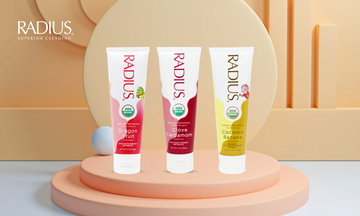
The cool, minty flavor of toothpaste is frequently what comes to mind. Beyond the conventional minty freshness, there's a whole world of toothpaste tastes still to be discovered. These unusual tastes have several advantages for your dental health in addition to adding a fun edge to your brushing regimen. Let's explore the world of unusual toothpaste flavors and learn about their benefits.
1. USDA Organic Toothpaste with Clove and Cardamom:
Not only are clove and cardamom aromatic spices, but they also have strong therapeutic qualities. These chemicals work together to generate a stimulating flavor profile in toothpaste that gives your brushing routine a little extra zest. Because of its well-known antibacterial and analgesic qualities, clove oil is useful in the fight against bacteria and in easing oral discomfort. Conversely, cardamom has antimicrobial properties and aids in breath freshening. This toothpaste also contains tooth-friendly erythritol, rosemary, and organic chamomile flower, all of which help to clean and gently polish teeth for a bright, healthy smile.
2. USDA Organic Dragon Fruit Toothpaste for Kids:
This toothpaste, which has the exotic flavor of dragon fruit, is made with kids (and adults who are kids at heart) in mind and makes brushing entertaining and delightful for the whole family. Pitaya, or dragon fruit, is a fruit that is not only tasty but also incredibly nutritious. High-quality components including holy basil, erythritol, and organic chamomile flower are used in the formulation of this toothpaste to efficiently clean teeth and gums. It's ideal for children six months and older, making sure that oral health is an enjoyable part of their everyday routine from an early age.
3. Children's Organic Coconut Banana Toothpaste USDA Certified:
This toothpaste is another delicious treat that's great for both kids and adults. It blends the tropical flavors of banana and coconut to make brushing fun. Because of its well-known antibacterial qualities, coconut oil can aid in the prevention of oral bacteria and improve general oral health. The toothpaste also contains erythritol, rosemary, and organic chamomile flower, all of which help to efficiently clean teeth and gums. This toothpaste enables kids to establish excellent oral hygiene practices as they enjoy the delightful taste of coconut and banana thanks to its all-natural components and tempting flavor.
Conclusion:
Experimenting with different toothpaste flavors can improve your dental health in addition to making brushing more fun. There is a flavor to suit every palate, whether you like the tropical sweetness of dragon fruit, the stimulating taste of clove and cardamom, or the lovely mix of coconut and banana. You can maintain a bright, healthy, and flavorful smile by including these unusual toothpaste flavors in your daily oral hygiene routine.
Are there fun flavored toothpastes that are still natural?
Yes. Fun flavors and natural formulas are not opposites. Flavors like clove and cardamom, dragon fruit, and coconut banana come from botanical and fruit-derived ingredients rather than artificial flavoring, and several of them carry USDA Organic certification. The flavor is the part your family notices; the ingredient list is the part that decides whether it counts as natural.
A short way to think about it: mint is a flavor, not a standard. Nothing about peppermint makes a toothpaste cleaner or more natural than one flavored with fruit or spice. What matters is what the flavor is made from, what sweetens it, and what else is in the tube.
That is why the flavors below are grouped by what they taste like and what they are built from. If you are choosing for a child who resists mint, or for yourself after years of the same tube, this is where to start.
Toothpaste flavors beyond mint: what is actually out there
Non-mint toothpaste falls into a few loose families, and knowing them makes the shelf a lot easier to read.
- **Spice flavors** — clove, cardamom, cinnamon, ginger. Warm rather than cooling, and familiar to anyone who has used traditional spice-based oral care. - **Herbal flavors** — holy basil, chamomile, rosemary, neem, tulsi. These tend to taste green and mild rather than sweet. - **Fruit flavors** — dragon fruit, banana, coconut, berry, citrus. Usually aimed at kids, though plenty of adults prefer them too. - **Culinary and novelty flavors** — matcha, charcoal, wasabi, and stranger things sold more for the surprise than the routine. [NEEDS: confirm which of these RADIUS does or does not offer before publishing, so the list does not read as a product claim.]
Flavor preference is not a small detail. A toothpaste that someone actually enjoys is a toothpaste that gets used twice a day, and consistency does more for a smile over a year than any single ingredient does in a week. That is often the real argument for looking past the minty freshness most people default to.
If mint still suits you, there is no reason to switch. The point is that the alternatives are not a compromise.
Unique toothpaste ingredients: what makes a flavor natural
Two toothpastes can taste like the same fruit and be built very differently. The flavor line on the front tells you almost nothing, so it helps to know which ingredients are doing the work.
- **Erythritol** — a tooth-friendly sweetener used in place of saccharin or sucralose. It gives fruit flavors their sweetness without sugar. - **Clove oil** — known for antibacterial and analgesic qualities, which is why it shows up in both flavor and function roles. - **Cardamom** — has antimicrobial properties and helps with breath freshening. - **Organic chamomile flower, rosemary, and holy basil** — mild botanicals that support gentle cleaning and polishing. - **Coconut oil** — well known for its antibacterial qualities, and the reason coconut appears in kids' formulas as more than a taste.
USDA Organic certification is the clearest shortcut here, because it sets rules about what can go into the tube rather than leaving "natural" to marketing. Short of that, reading the ingredient list is the reliable move: look for named botanicals and a sweetener you recognize, and note how many ingredients you cannot place.
Choosing organic toothpaste does not require a chemistry degree. It usually comes down to a handful of ingredients you can pronounce and a flavor your family will not argue about at bedtime.